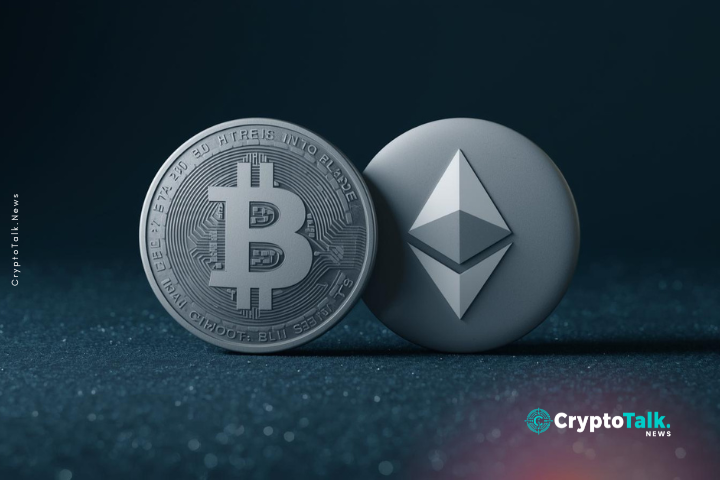










































Bitcoin is emerging as a strategic asset for investors looking to strengthen their portfolios in 2026. With its fixed supply of 21 million coins and nearly 20 million already mined, Bitcoin offers a form of protection against long-term fiat currency debasement, making it a potential hedge against inflation. While its price volatility makes it unsuitable as a month-to-month safeguard, over extended periods, Bitcoin can preserve purchasing power when traditional assets face pressure. This makes even a modest allocation of 1–5% of a portfolio a compelling consideration for long-term investors.
Beyond its role as an inflation hedge, Bitcoin remains the cornerstone of the cryptocurrency sector. Valued at around $1.4 trillion, it accounts for more than half of the total $2.5 trillion market capitalization of crypto assets. Market trends consistently show that Bitcoin’s price movements tend to set the tone for the broader crypto market, influencing altcoins and investor sentiment alike. Holding Bitcoin, therefore, offers a practical way to gain exposure to the crypto sector without the additional risk and complexity of managing a diverse basket of smaller coins.
Accessibility has also improved significantly. Investors can now gain exposure to Bitcoin through exchange-traded funds (ETFs) without needing to manage private wallets or navigate complex exchanges. Institutional adoption is rising, with more than 4 million Bitcoins currently held by countries, corporations, and large conservative investors. This growing pool of long-term holders reduces market volatility and supports upward price pressure over time, potentially benefiting retail investors who buy and hold.
Market watchers note, however, that Bitcoin may not be the top-performing asset for short-term gains. Analysts from The Motley Fool recently identified their top stock picks for 2026, excluding Bitcoin, which could outperform traditional benchmarks. Still, for long-term portfolio strategy, Bitcoin’s scarcity, market dominance, and increasing institutional interest make it an essential consideration.
Looking ahead, Bitcoin’s role as both a portfolio diversifier and a proxy for the broader crypto market is likely to strengthen. Investors considering a measured allocation could find that Bitcoin not only provides potential protection against inflation but also positions them to benefit from the continued growth and adoption of digital assets globally. Its combination of scarcity, market influence, and accessibility cements its status as a foundational investment in the evolving landscape of 2026 finance.